REMINDER 1
On the news
They hear what happened, and how big it was.
When a major breach hits the headlines, we turn it into a short, true-story film and quiz while people are still talking about it. Your clients' staff hear the story on the news, in their feed and at the dinner table - then learn what actually happened, and what to do differently.
 New lesson
The supermarket fridge attacks, and the default passwords behind them.
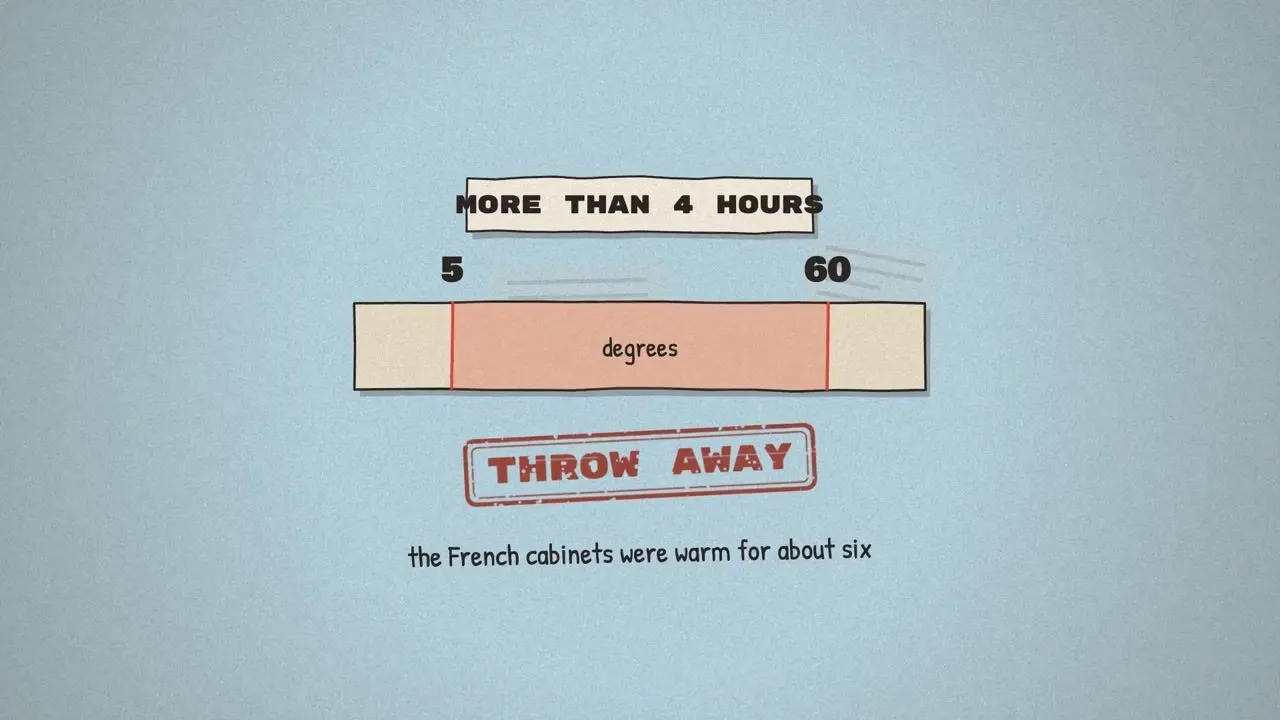
In October 2026, attackers switched supermarket freezers to defrost across France. This is how that headline became a lesson called Defrost.
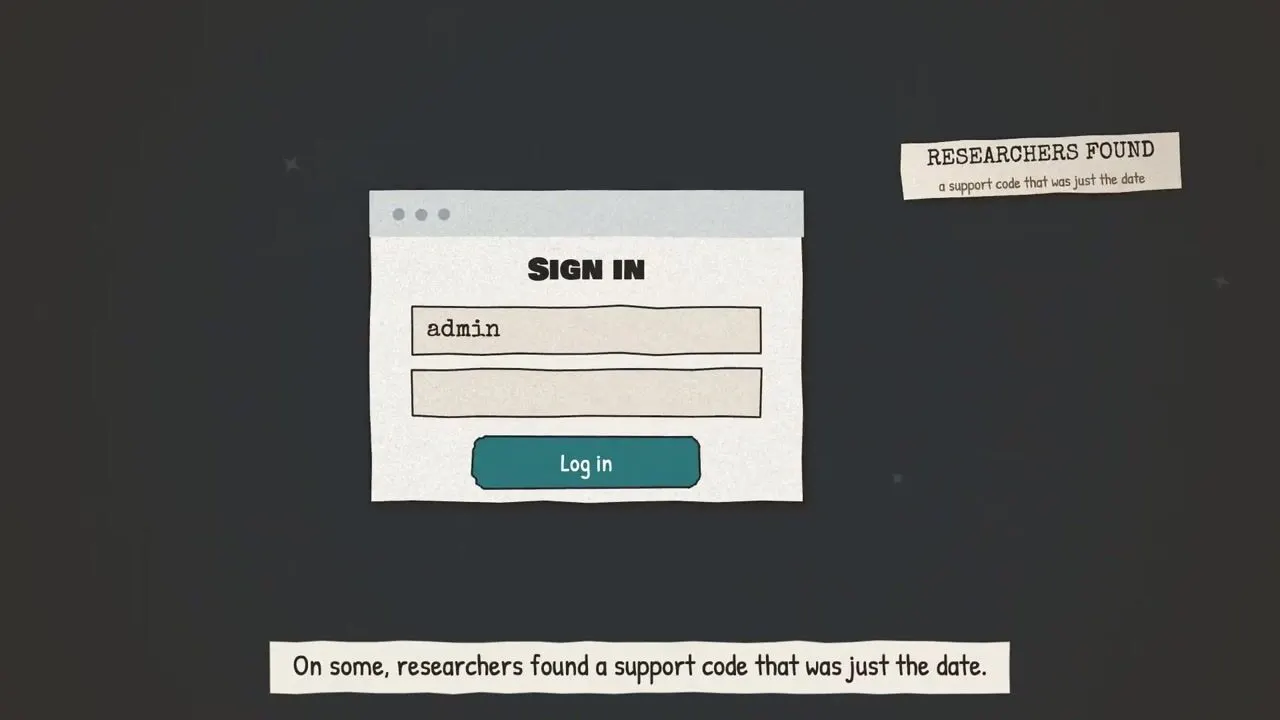
While the stores are shut, someone opens the login pages of refrigeration control panels at supermarkets across France and changes the settings. Freezers are pushed to about fifty degrees and held there for hours. No phishing email. No click. Just a management screen a contractor put on the internet years ago.
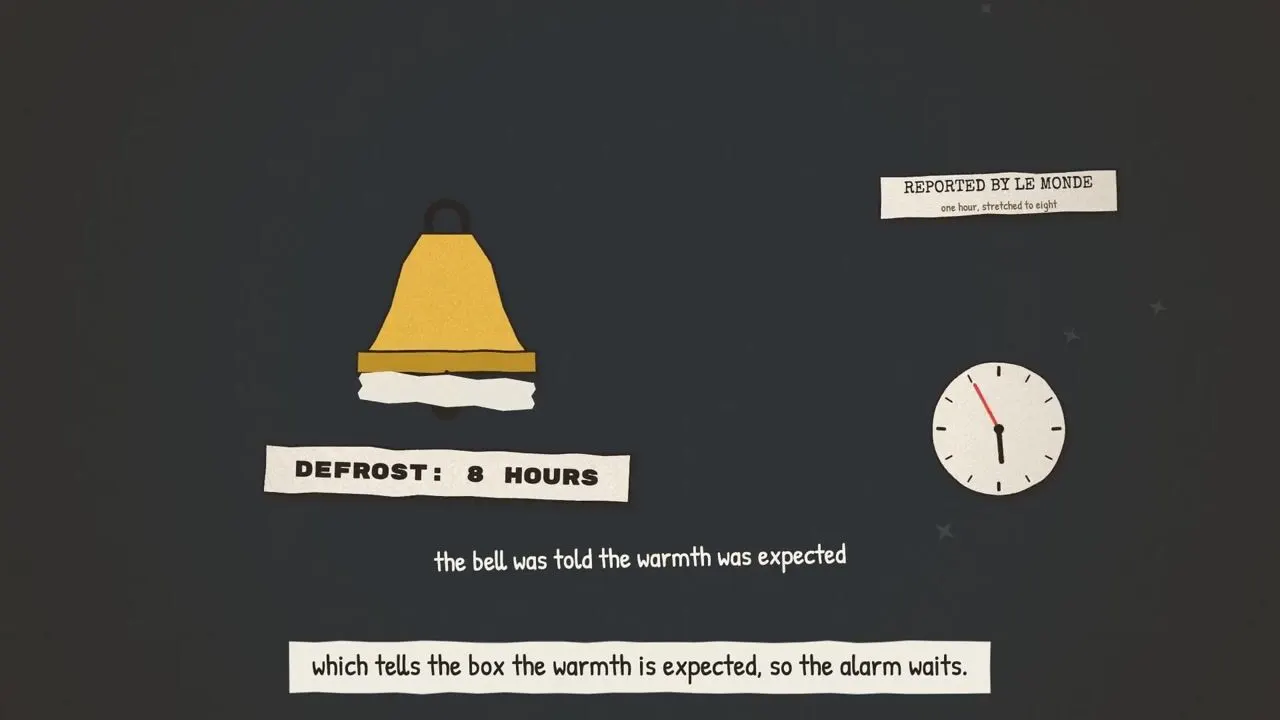
Food is thrown out across hundreds of stores and the story is everywhere. Your clients' staff see it on the news, scroll past it twice, and get asked about it at home. They know what happened. Nobody has told them how - or whether it could happen where they work.
We work from the public record: what the national cyber agency and the manufacturer have actually said. Then we write the part the headlines skip - why it worked, and the one or two habits that would have stopped it.
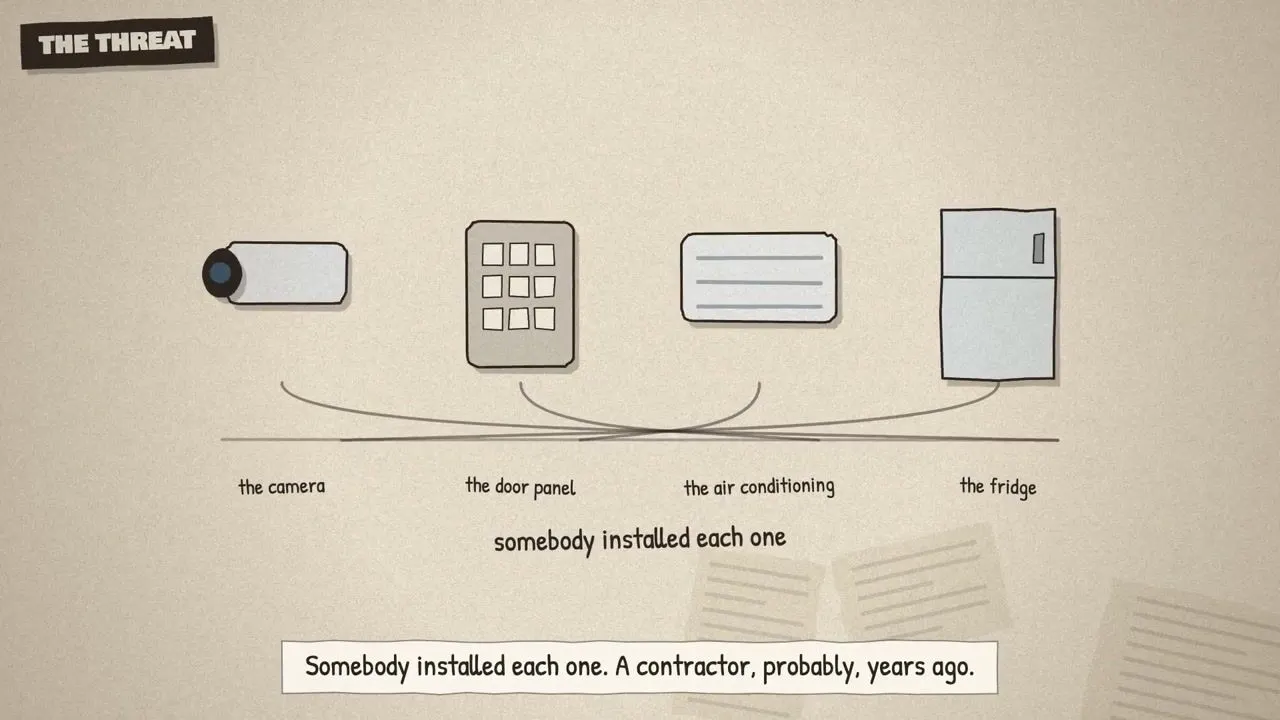
Three days after the attack, a true-story film is sitting in the training library under your brand, ready to assign - with a quiz, a resource pack and the sources behind every claim.
New · 14 OctLearners press play on something they have been hearing about for days. They come away able to list the equipment nobody thinks of as a computer, close what doesn't need to face the internet, and change the default passwords. The next time the story comes up, it reminds them.
What let the attackers into the supermarket refrigeration systems?
A lesson built on an old or invented example has to earn attention from scratch. A lesson on this week's breach arrives relevant - and the world keeps reminding people of it for you.
They hear what happened, and how big it was.
They see it again, with everyone's reaction attached.
Someone brings it up at home, or asks if they were affected.
They learn how it actually happened - and the habit that stops it.
Three reminders you didn't have to send. One lesson that explains them.
The breaches people still talk about, each with a live film. Turn any front page over to watch the lesson behind it.
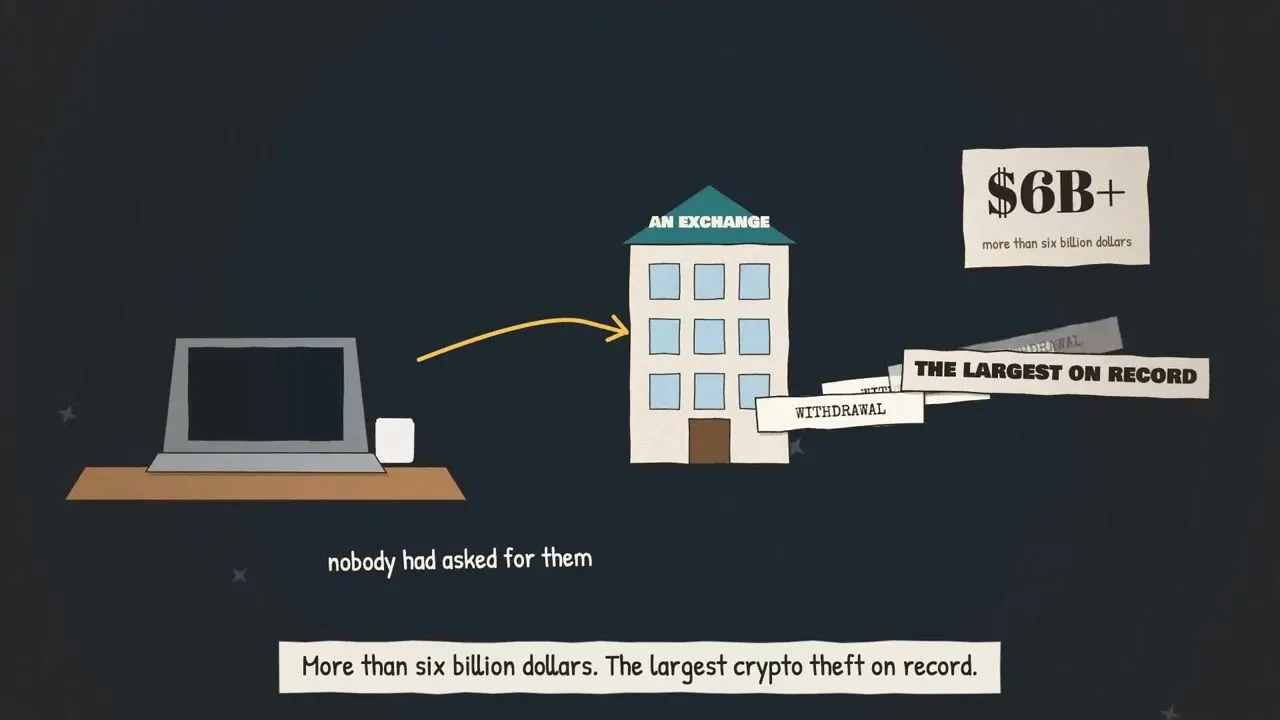 Film live
Fake recruiters, and why one person shouldn't be able to approve a big transfer.
Film liveDefault passwords on connected devices.
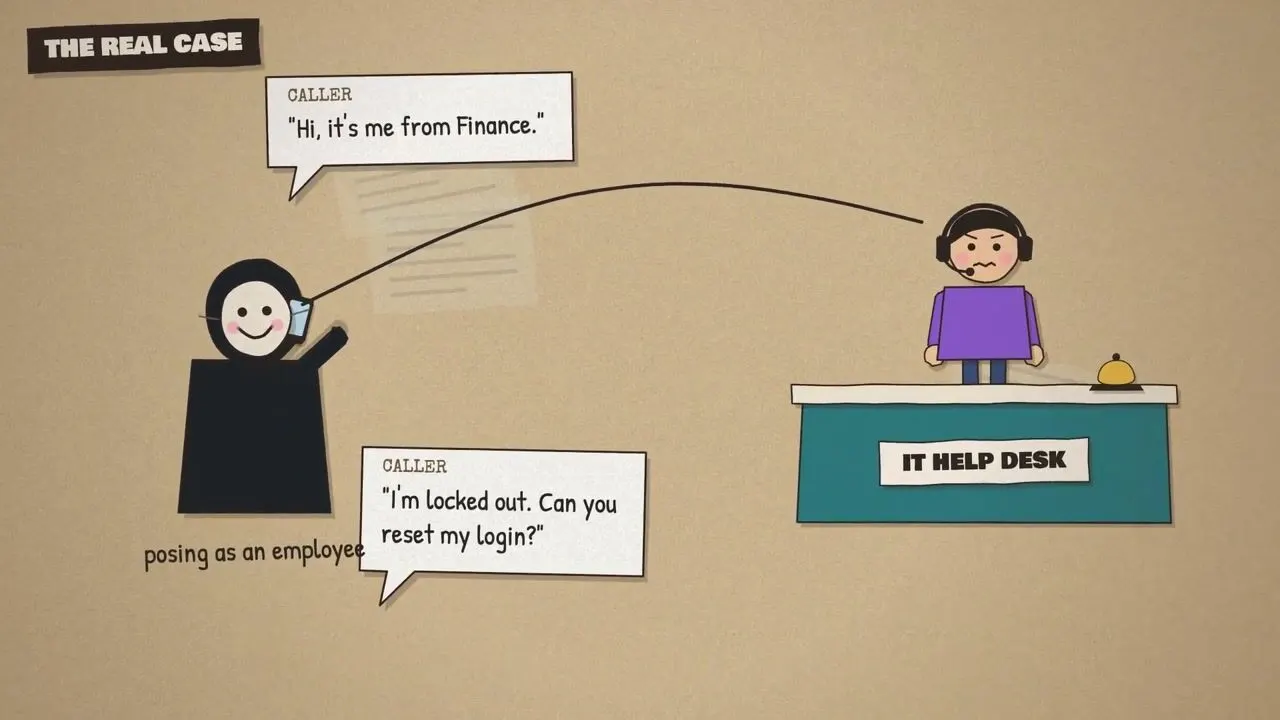 Film live
Viewers learn to hang up and call back on a number they already know, never read out a code, and report strange calls.
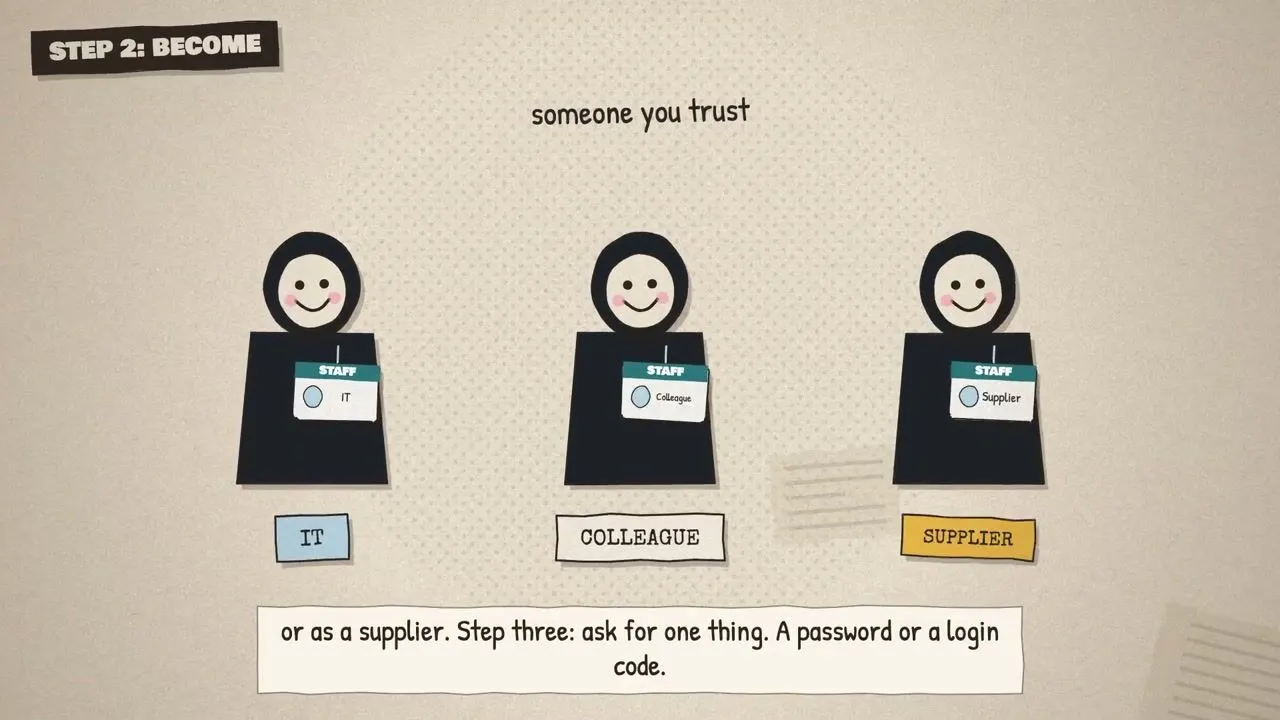 Film live
Viewers learn why knowing someone's birth date or ID number proves nothing, and how to confirm a request through the company directory instead.
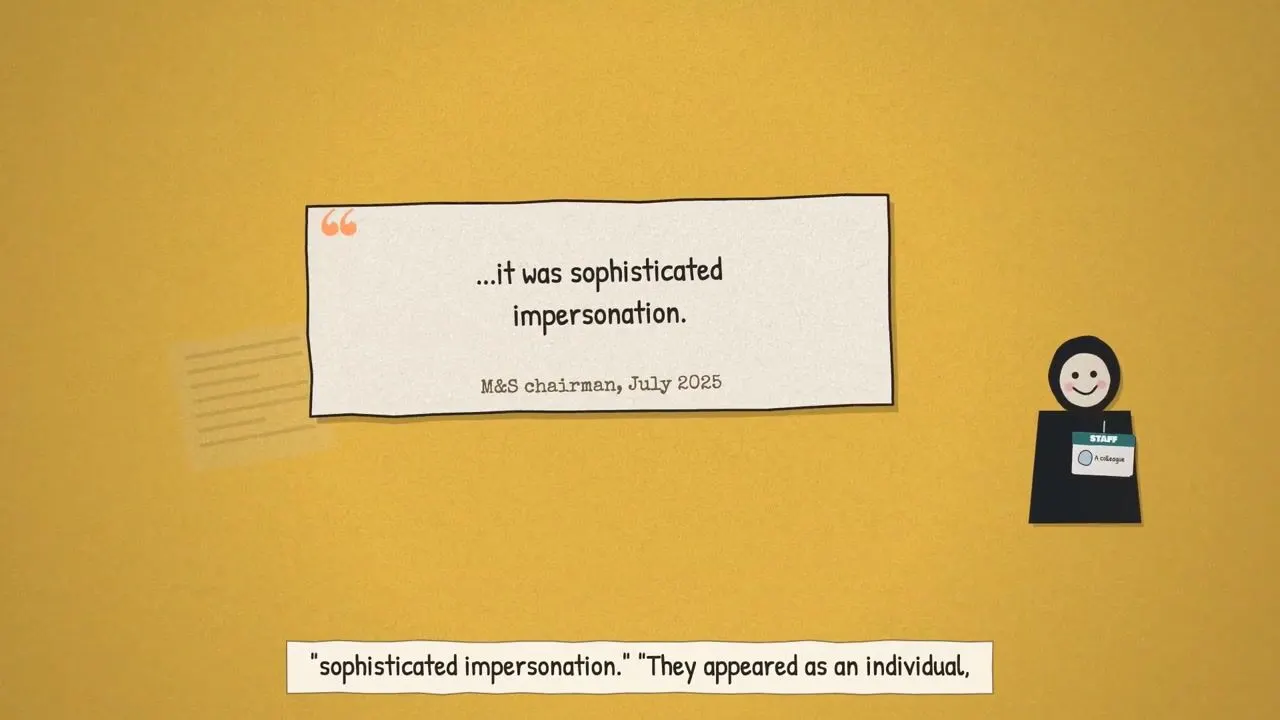 Film live
Viewers learn to check who is asking on a channel they already trust before sharing any link, login or file.
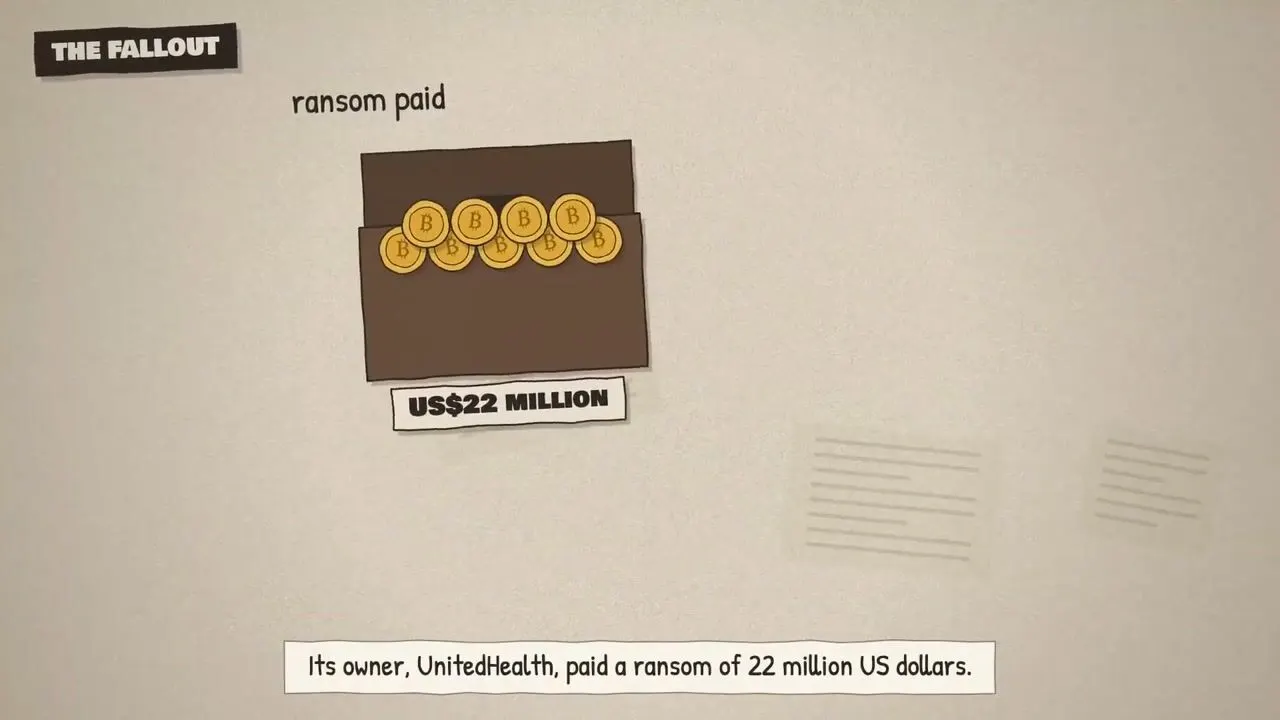 Film live
Viewers learn four habits that work in any office: turn on MFA, use a different password for every account, save work where it gets backed up, and tell IT early.
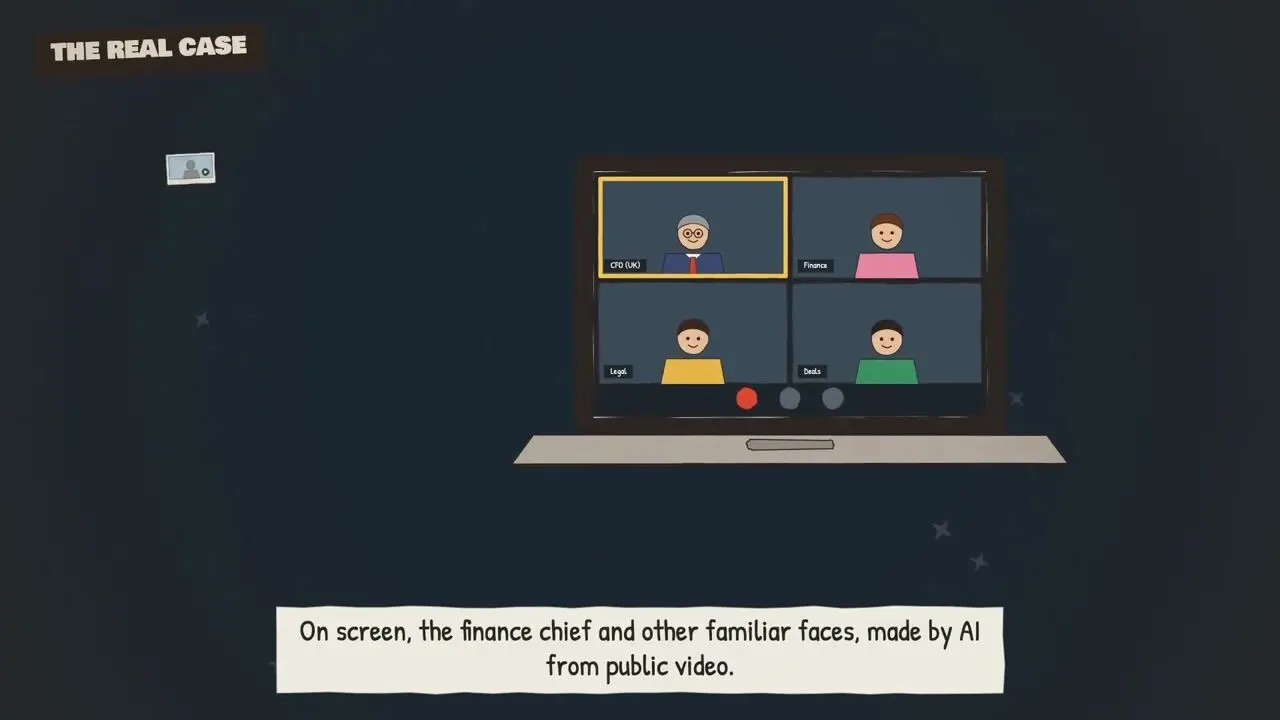 Film live
Viewers learn to stop when a request involves money, secrecy or new bank details, and to verify on a number they already have.
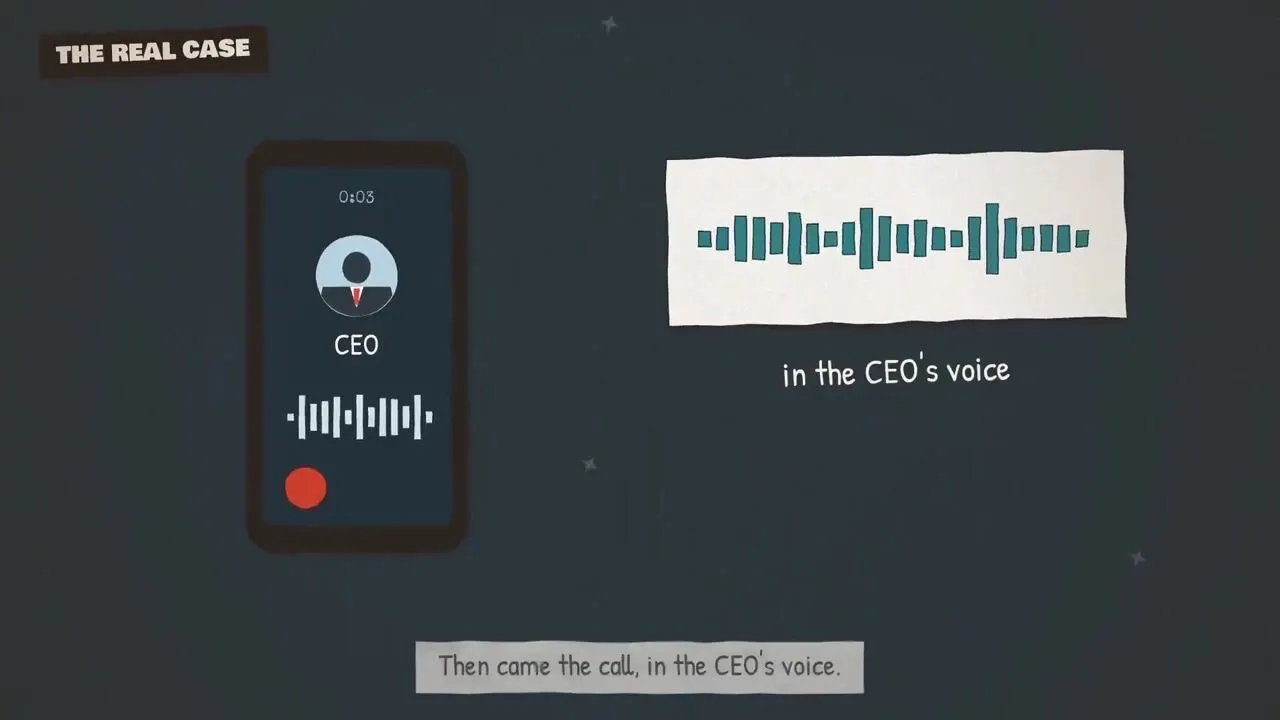 Film live
Viewers learn the pattern to watch for - a new number, secrecy, a deadline of today - and never to move money on a voice alone.
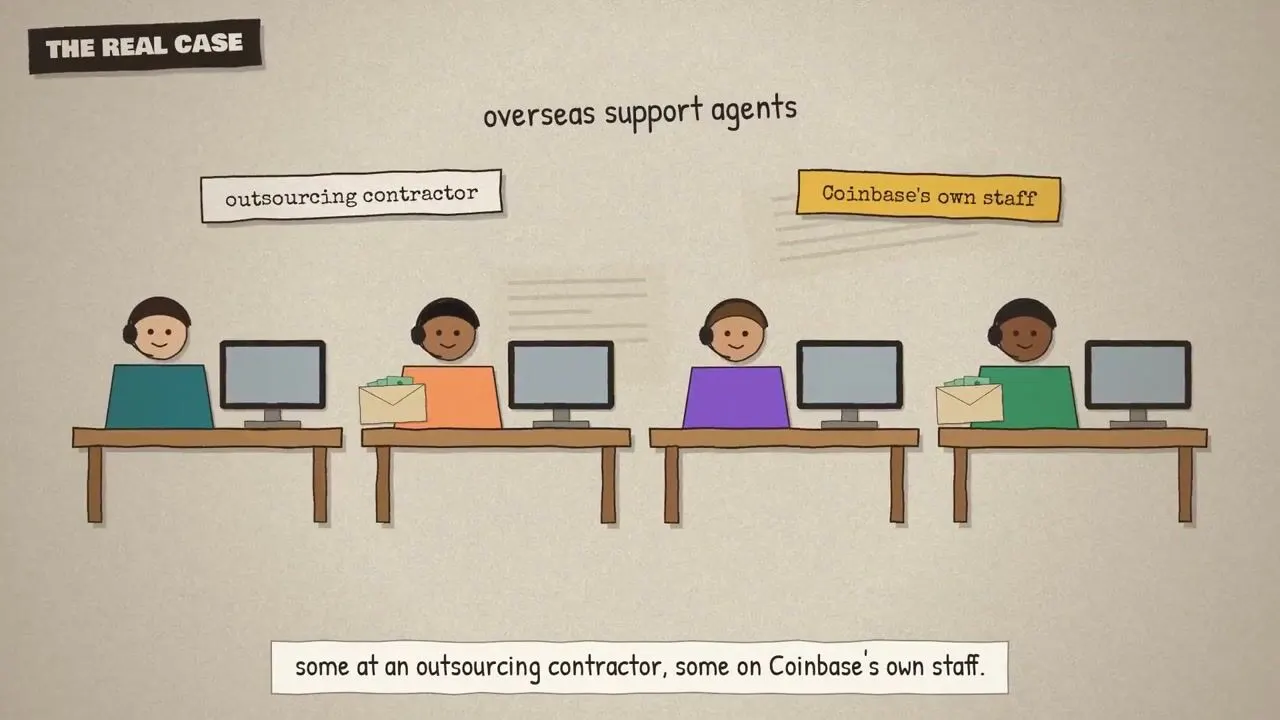 Film live
Viewers learn how to respond if they are approached, and managers learn the controls that make an insider less useful.
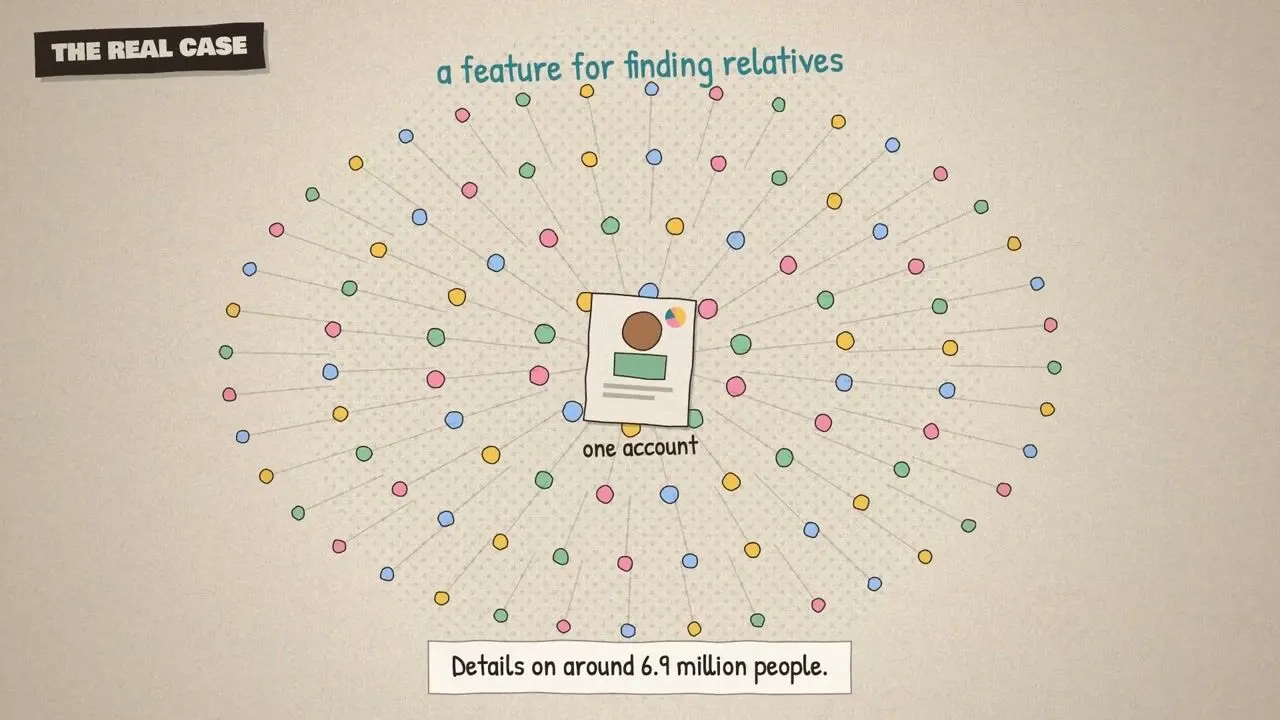 Film live
Viewers learn to use a long passphrase, a different one for every account, and multi-factor authentication.
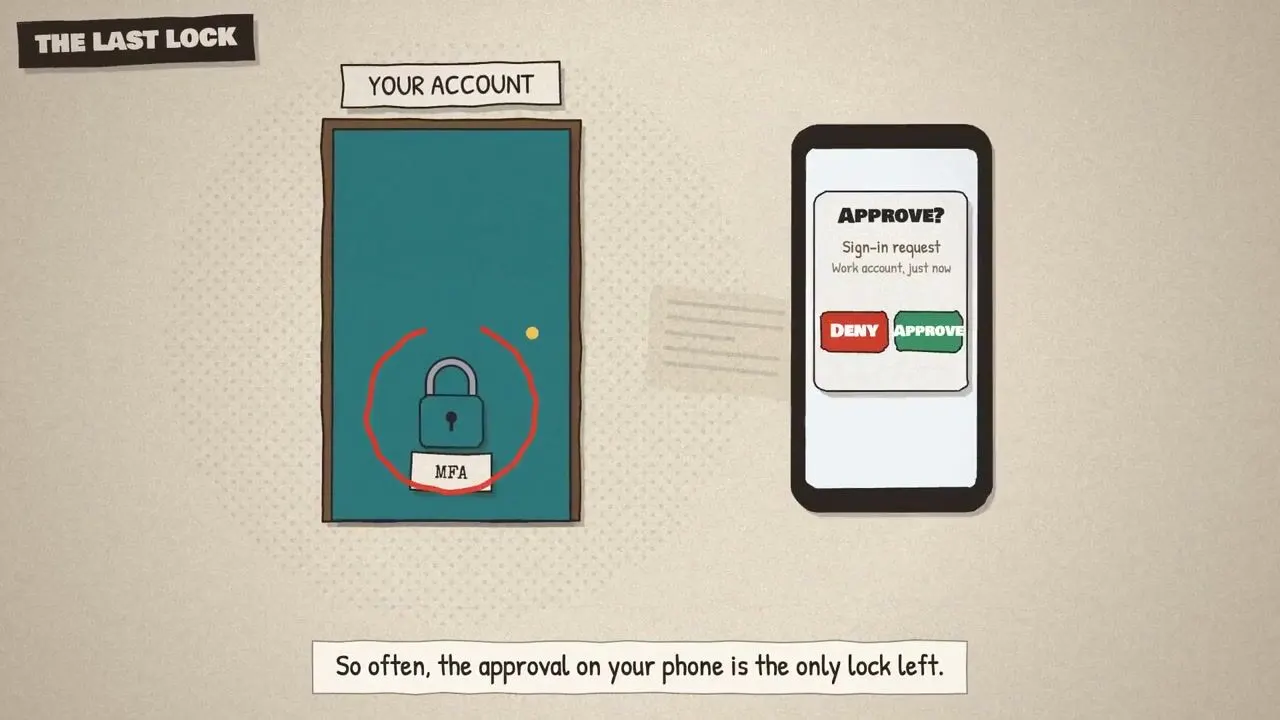 Film live
Viewers learn to deny any sign-in prompt they didn't start, every time, then report it and change their password.
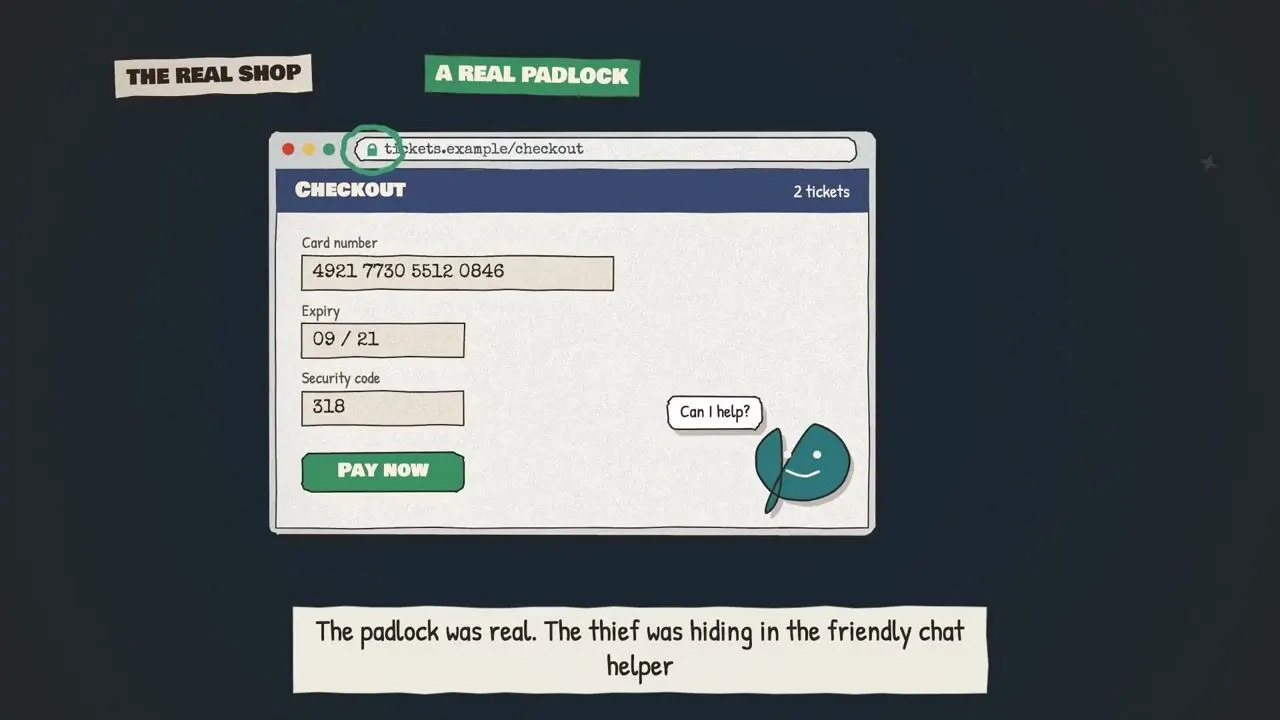 Film live
Viewers learn that a padlock only means the connection is private, and to treat a chatbot link with the same caution as an email link.
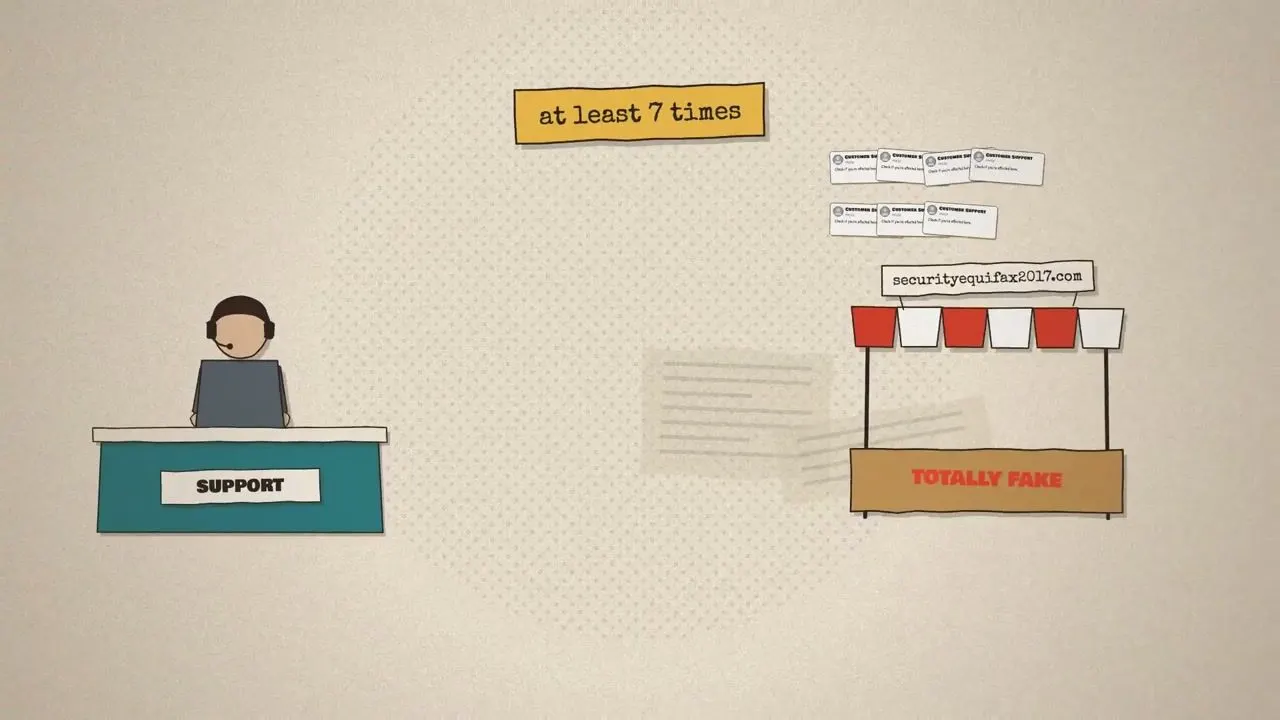 Film live
Viewers learn how to talk to customers after a breach: early, honest, and only through approved pages and numbers.
Front pages are illustrative. Details are as reported at the time of each alert - follow the linked coverage for the latest on any story.
Every alert joins a library of true-story films on real breaches. Each one is live now, with a quiz - pick a film to watch it.
An alert isn't an email telling people to be careful. Each one ships as finished training.
Narrated and animated, a few minutes long. What happened, why it worked, and what to do about it - told as a story, not a lecture.
Questions that put the learner in the situation: the call, the prompt, the forgotten device in the back office.
A takeaway to go with the film, for the people who want the detail or need to brief a team.
Regulator findings, company statements and reporting, listed as further reading. Where something is only alleged, the film says so.
Alert films play in the same white-labeled portal as the rest of the training, so the timely lesson comes from you.
Completion and quiz results are recorded per learner and show up in the reports you already send clients.
Alert films join 120+ story-driven lessons in a white-labeled portal, each followed by a quiz to check understanding.
Optus, Medibank, Qantas, Latitude and more - films on the breaches Australian staff remember, built for local relevance.
Completions and quiz results feed the Human Risk Score, so you can show each client who has seen the lesson.
When a high-profile breach is in the headlines, we build training around it: a short true-story film on what happened and why it worked, followed by a quiz. Because learners are already hearing about the breach from the news, social media, family and friends, the lesson is relevant the moment they press play.
Relevance and repetition. A lesson about a story someone has already heard needs no introduction, and every later mention of the breach is another reminder of what they learned. Training on the same topic with an older or invented example has to earn that attention from scratch.
It depends on how quickly reliable facts emerge - we work from the public record, not from rumour. Recent examples: Defrost was live three days after the French supermarket attacks of 11 October 2026, and The Laptop was live four days after the Binance theft of 29 October 2026.
A short narrated film, a four-question quiz to check understanding, a resource pack, and a list of sources for further reading. It sits in the training library alongside every other course, so completion is tracked and reported the same way.
Yes. Each film is a true story built on public reporting, regulator findings and the organisation's own statements, with sources listed. Where something is alleged or still under investigation, the film says so.
Yes. Alert films are delivered through the same branded training portal as every other course, so your clients' staff see your name, not ours.
Give every client training on the story their staff are already talking about - in a portal with your name on it.